


GOLF DRIVER BUYING GUIDE (2024)
March 10, 2023
The first club a golfer usually reaches for on the first tee at any golf course is the driver. This particular golf club is used 10+ times per round and is essential to starting off the hole with a solid shot. Having the right driver can make all the difference and improve the final score on the card drastically. With so many drivers available on the market, it can be tough to know which one is best for you. This guide will help you choose the perfect driver for your game and instill confidence in every swing. We'll cover topics such as club loft, shaft flex, shaft length and multiple other areas to ensure that you end up with a club that will take your game to the next level. Let's get started!

Before shopping for a new driver, it is important to understand the different components that make up a golf driver and how they will impact your performance on the course. A standard driver is made up of two primary parts, the club head and the shaft.
DRIVER CLUB HEAD SIZE
What separates the driver from every other club is the vastly larger size. The United States Golf Association (USGA) allows drivers to be up to 460 cubic centimeters (cc) but can be smaller. Most modern drivers on the market feature the full 460 cc for maximum distance and forgiveness.
However, there are smaller head drivers which are closer to 430-450 cc. These more compact drivers are great for more skilled players who want less spin and more feel to shape shots off the tee.
Different driver heads also have different centers of gravity, also known as CG. When the CG is lower and more toward the back of the club, it increases launch, making the club more forgiving. If the CG is more forward it will increase ball speed, reduce spin, and promote a more penetrating ball flight.
We’ll discuss different types of driver heads in detail later in the buying guide to help you find the one that will best suit your game.
DRIVER LOFT
Driver lofts are a key factor to consider when shopping for a driver. Loft is the angle created between the club face and the ground. The more loft a club has, the higher it will launch.
Men’s drivers range from 8 to 12 degrees of loft, with 9–10.5 degrees being the most common. Women’s drivers have slightly more loft and range from 9 to 12.5 degrees of loft, with 10.5 - 12 being the most common.
Some drivers have as little as 5–6 degrees of loft (which are not recommended for the majority of golfers) and are more common for tour pros or long drive competitors. Plus, a lot of drivers have an adjustable loft sleeve which allows you to remove 1 or add up to 2 degrees of loft.
Lower loft does not necessarily equate to more distance for most everyday golfers. While less loft can work for faster swinging golfers, not having enough loft can actually hurt your distance off the tee without enough swing speed.
DRIVER SHAFT LENGTH
The USGA allows drivers to be no longer than 46 inches. Most modern drivers are between 45 and 45.75 inches, while some have a shorter build option which are about 44 inches.
The consensus among most golfers is that a shorter shaft can lead to better accuracy off the tee and a longer shaft can lead to more distance. Ideally, you want to find a club that maximizes total distance but doesn’t compromise your ability to hit fairways.
DRIVER SHAFT WEIGHT
The second aspect to consider is the weight of the shaft, which ranges greatly in drivers.
Some drivers have super lightweight shafts that weigh between 40–50 grams. These lighter options are great for slower swings as they make it easier to add speed and distance off the tee.
Mid-range shafts are typically between 50–65 grams and great for players with an average swing speed. The heaviest driver shafts are 65 grams or more and are ideal for faster swinging golfers.
Like the shaft length, the weight has a big impact on the spin, launch, and overall performance of your driver.
DRIVER SHAFT FLEX
The type of shaft flex used in a driver can greatly affect the feel and performance of the club. Slower swing speeds will benefit from more flex, while faster swings will require less flex to optimize spin rates and distances.
DIFFERENT TYPES OF DRIVER GOLF CLUBS
Now that you understand the components that make up a golf driver, let’s get into the different types of driver heads. Picking the right driver is not a “one size fits all” approach as each club needs to match your swing.
GAME IMPROVEMENT DRIVERS
Game improvement drivers are a common type of driver and offer a great balance of performance and ease of use, making them an ideal choice for the majority of golfers. Game improvement drivers are designed for beginners and golfers with slower swing speeds.
The forward CG placement in game improvement drivers help to reduce slices for more distance and straighter shots promotes a higher launch as well. The high-strength XL club faces in game improvement drivers are optimized to increase speed, promote a higher launch and inspire more confidence off the tee for the majority of golfers.
ADJUSTABLE DRIVERS
Adjustable drivers allow for a range of different settings and can be adjusted to fit different swings. These clubs have become very popular in the last decade as you can easily adjust the loft, lie, and sometimes weight settings. Most modern drivers, including game improvement and all the way up to tour level drivers, have adjustable features that make it easy to fine tune the club to your swing.
All current Callaway drivers feature an OptiFit hosel that allows you to change the loft and face angle. The Optifit technology enables you to add or remove loft to optimize trajectory and spin. The majority of Callaway drivers are available in loft settings of 9, 10.5 and 12 degrees and can be adjusted to either -1 or up to +2 degrees of the stated loft.
Some drivers feature sliding weights for an additional degree of adjustability. Sliding weights enables golfers to fine-tune their drivers for incremental shot shape correction. By adding more weight to the toe or heel, it can help improve accuracy off the tee and straighten out your ball flight.
Face angle refers to how the face of the club sits at address position. For right-handed golfers, if the club face is open at impact, it will lead to a left to right ball flight (slice). If the face is closed at impact, it will lead to a right to left ball flight known as a hook.
By having an adjustable face angle you can alleviate the big miss and hit it straighter. If you’re like a majority of golfers who hit a slice, having a slightly closed face can help reduce spin and hit it straighter.
DRAW-BIASED DRIVERS (ANTI-SLICE)
Draw-biased drivers are designed to help straighten out a slice and as the name suggests, make it easier to hit a draw. More weight is added to the heel of the club so it’s easier to square the face at impact for a straighter ball flight.
These drivers are built for high launch with high MOI thanks to the stretched profile at address. The rear weight helps increase launch and lowers spin to maximize carry distance. Drivers with built-in draw-bias are recommended for golfers who need help fixing the slice off the tee.
TOUR LEVEL DRIVERS
Compared to standard models, Tour level drivers typically vary in size and loft to assist the adept golfer and meet their enhanced demands. Tour level drivers minimize spin and are built for golfers with a faster swing speed. These are often the choice of low handicap amateurs and professional golfers who want less, not more spin.
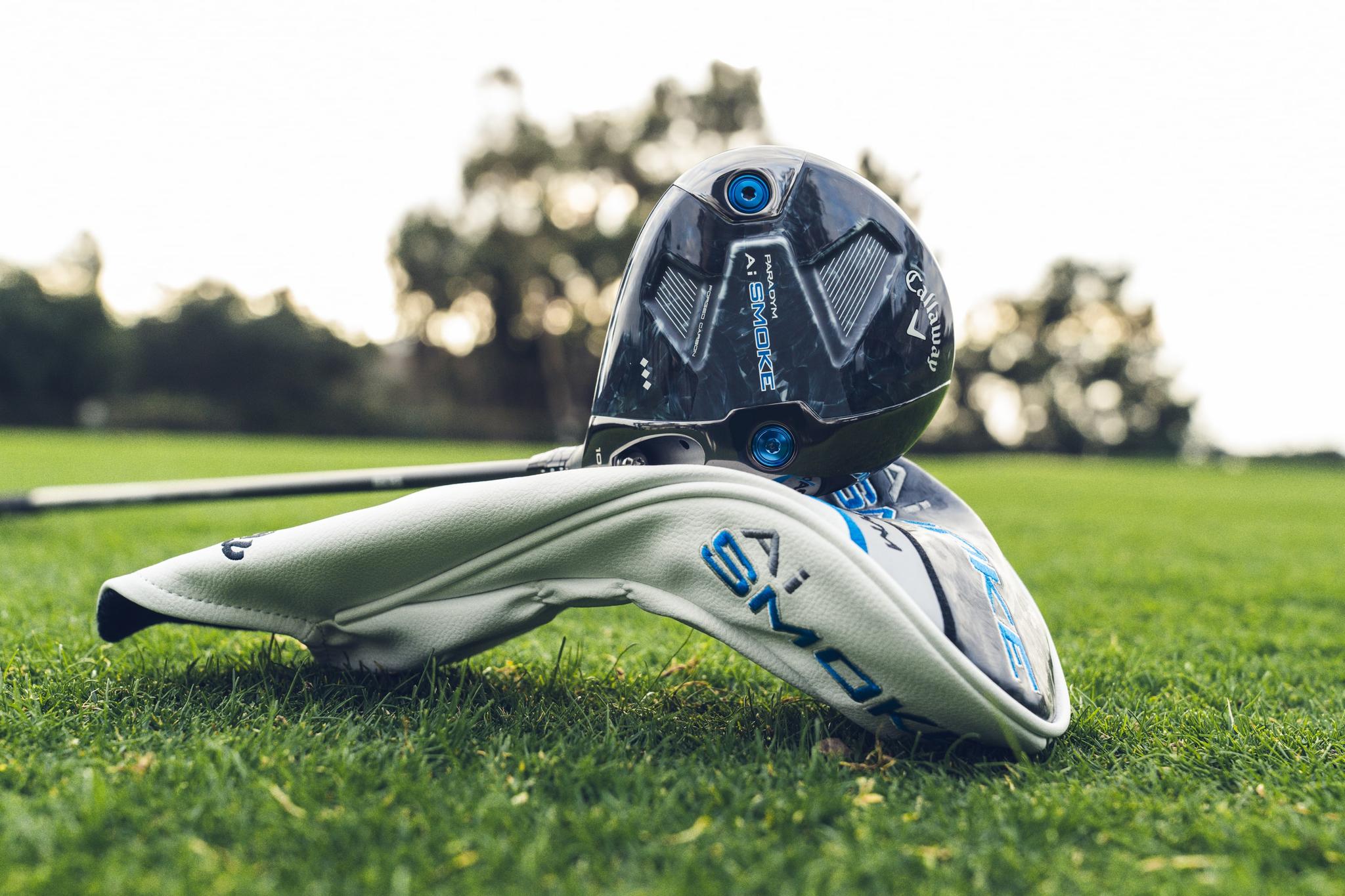
In general, more skilled golfers swing the club faster and thus, create plenty of spin on their own. This is why they need low spin drivers to optimize ball flight and distance off the tee.
Low spin drivers help reduce spin to maximize carry distance, which leads to longer drives. Tour level driver club heads often feature a more compact shape that makes them easier for golfers to work the ball in both directions.
DRIVER CUSTOMIZATION OPTIONS
When customizing a driver, it is important to take into account the many factors that influence ball flight. From the shaft flex, to the weight and loft of the club head, customizing a driver to your unique swing can help you find your highest level of performance.
If you're considering customizing a driver, be sure to use a launch monitor or other custom fitting software. All reputable fitting facilities should have these options. This can help you find the best settings for desired ball flight and spin rate, leading to improved accuracy and distance with each and every tee shot. With a ton of custom driver components available, you have plenty of options when selecting and buying.
Getting fitted by knowledgeable experts at reputable retailers can provide guidance throughout the process so that you get maximum benefit out of customization.
HOW TO CHOOSE THE RIGHT DRIVER
Golf courses aren’t getting any shorter so buying the right driver is key to improving your performance off the tee.
Now that you've learned about what goes into buying a driver golf club and the decisions that are in play, it's time to pick the one that's best for you.
Whether you're looking to buy a new or pre-owned driver , Callaway offers a wide selection of golf clubs, guaranteed to fit any play style. For more help, check out our online driver selector tool for expert recommendations to improve your game.
FREQUENTLY ASKED QUESTIONS
WHAT DOES 10.5 MEAN ON A DRIVER?
10.5 refers to the amount of “stated loft” on a driver. Driver lofts range from 8 to 13 degrees, depending on the manufacturer and model. Optifit hosel sleeves featured on all current Callaway drivers enable golfers to adjust the lofts, so a driver with a stated loft of 10.5 degrees might have an actual loft of 9.5, 11.5 or 12.5, depending on the setting.
WHAT DOES CC MEAN ON A DRIVER IN GOLF?
CC on a driver refers to cubic centimeters and is the measure of a driver head. The USGA allows clubs to be up to 460 cc which is the size for most modern drivers. Fairway woods typically range from 140 to 180 cc, a fraction of the size of a driver.
WHAT ARE THE DIFFERENT GOLF DRIVER SIZES?
Most drivers are between 430-460 cc. Smaller head drivers are preferred by more skilled, faster swinging golfers (usually more than 105 mph clubhead speed) to minimize spin and improve workability.
WHAT DRIVER SHAFT DO I NEED?
As a general guide, you can determine your shaft flex based on your clubhead speed. If you're at the lower end of your clubhead speed category, select a shaft weight at the lower end of the scale, and vice versa.
Choosing the right shaft flex for your game is crucial: without the correct flex, golfers will have a harder time making solid contact with the ball on a consistent basis, affecting the direction and distance of their shots.


